


Lessons in IEQ: Building Better Learning Environments

08/05/2025
Classrooms are meant to be places of focus, growth, and discovery. But what if the environment itself is getting in the way?
Indoor environmental quality (IEQ)— the overall quality of conditions inside a building, including indoor air quality (IAQ), thermal comfort, and acoustics—can significantly impact student performance, attendance, and well-being.
Yet many schools are falling short. Aging infrastructure, tight budgets, and deferred maintenance have left too many learning spaces with poor ventilation, excessive noise, and uncomfortable temperatures—all of which can interfere with learning.
Lesson 1: Indoor Air Quality
Half of U.S. schools report poor indoor air quality (American Lung Association), affecting millions of students who spend up to 1,000 hours each year in school buildings. There are a number of factors that contribute to poor air quality: dust, pollen, moisture, mold, radon and volatile organic compounds (VOCs) released by certain paints, adhesives, and cleaning products. Poor ventilation can trap these pollutants indoors, leading to a buildup of contaminants that circulate throughout classrooms, hallways, and common areas.
Poor indoor air contributes to asthma, the leading cause of school absenteeism due to chronic illness. It also affects energy levels, concentration, and academic performance (EPA).
IAQ Strategies for Healthier Classrooms
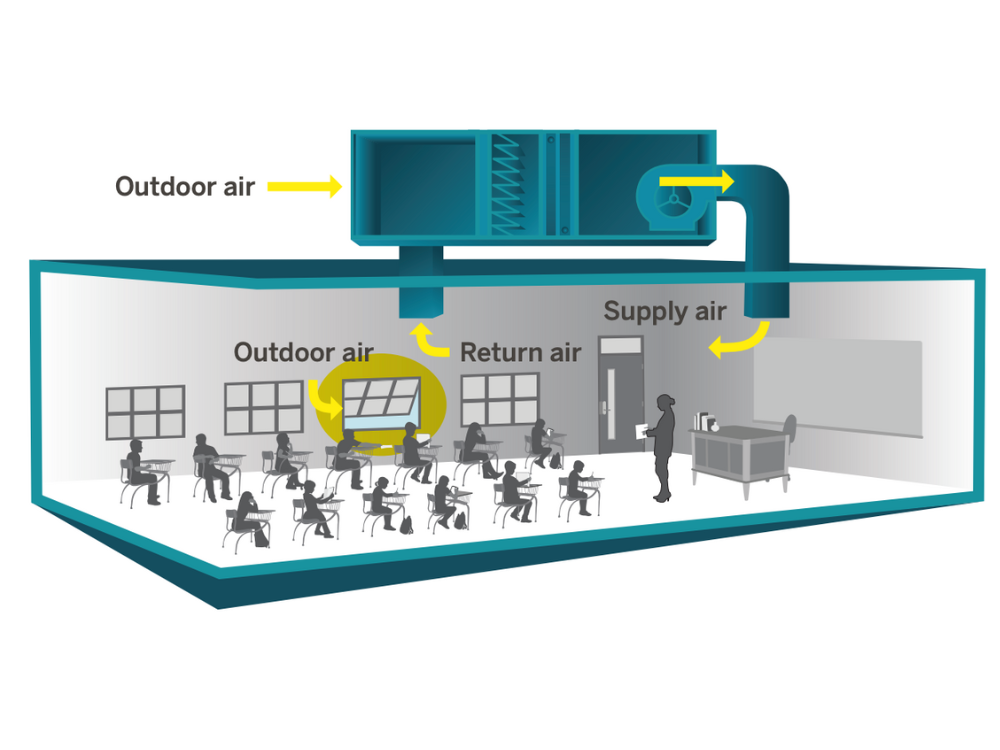
The U.S. Green Building Council recently released a new fact sheet series to help schools and facility leaders better understand IAQ and make informed decisions to support healthier learning environments. The report highlights the many benefits of improving IAQ: reducing respiratory illnesses and absenteeism, eliminating stale air and odors that cause headaches and drowsiness, and enhancing cognitive function and learning outcomes.
The message is clear: better buildings lead to better outcomes.
Strategies to improve IAQ include:
- Ensuring proper HVAC design and maintenance
- Using air purifiers and monitoring humidity levels
- Selecting hard flooring for easier cleaning
- Choosing low-VOC building materials like Knauf Performance+®
- Ventilating classrooms with fresh outdoor air when weather allows
How we help: Knauf Performance+ fiberglass insulation is formaldehyde-free and meets rigorous standards for low VOC emissions. It’s Asthma & Allergy Friendly® Certified and Verified Healthier Air™, supporting healthier indoor air for students and staff alike.
Lesson 2: Excessive Noise
Noise from hallways, traffic, other classrooms, and mechanical equipment is not only a nuisance, it can have detrimental impacts on a child’s learning and behavior. For younger students and English language learners, distracting noise is especially disruptive.
The World Health Organization links excessive classroom noise with reduced memory, lower test scores, and decreased attention spans.
How we help: When properly installed, Knauf insulation can help reduce noise transfer and support better acoustics. Quieter classrooms allow students to hear clearly, focus better, and, as a result, engage more confidently.
Additional strategies to reduce classroom noise include:
- Acoustic ceiling tiles or wall panels to absorb sound and reduce echo
- Solid core doors and door seals to block noise from hallways
- Sound-absorbing flooring or area rugs in classrooms to dampen foot traffic
- Mechanical system enclosures or vibration isolators to reduce HVAC noise
- Thoughtful room layout that places quiet zones away from high-traffic areas
Lesson 3: Thermal Comfort
When classrooms are too hot, too cold, or the temperature fluctuates during the day, students and teachers struggle to stay focused. Comfort is a factor in how well people learn, participate, and retain information (EPA).
Many schools operate in aging buildings where inefficient HVAC systems make temperature control difficult. A 2020 Government Accountability Office (GAO) report found that 41% of school districts need to update or replace HVAC systems in at least half of their schools.
How we help: Knauf insulation enhances energy efficiency and supports HVAC system performance, helping create classrooms that feel comfortable from the first bell to the last.

Lesson 4: Energy Efficiency
Energy costs are the second-largest expense for K-12 schools after personnel costs, totaling approximately $8 billion annually nationwide (EPA). More than 30% of the energy used is wasted—and at least 10% can be saved through low-cost, energy-efficient improvements (Energy Star), such as LED lighting, sealing air leaks and improving insulation. High energy bills and frequent maintenance drain resources that could otherwise go toward teachers, supplies, and student programs.
How we help: By helping reduce heating and cooling demand, Knauf insulation helps lower energy bills over time. This can translate into long-term savings and more funds available for what matters most: education.
Knauf Insulation gets top marks for education
As building professionals and school leaders make decisions about upgrades and maintenance, choosing certified, high-performance products like Knauf Performance+ is a smart step toward creating environments where students can thrive. Knauf insulation supports healthier indoor air, reduces noise, helps maintain consistent temperatures, and improves energy efficiency—key factors that directly impact student well-being and academic success.
Every child deserves and requires a healthy, safe, and comfortable place to learn. At Knauf, we’re proud to help schools raise the standard for healthier air — and better learning outcomes.