


Manage Spring Allergies from Inside Your Home

03/17/2026
Every spring, millions of Americans face a common struggle – allergies. Sniffles, itchy eyes and seemingly endless sneezes signal that allergy season is here.
The Asthma and Allergy Foundation of America (AAFA) releases an annual report of the most challenging cities to live with allergies, aiming to help citizens recognize and manage allergy symptoms.
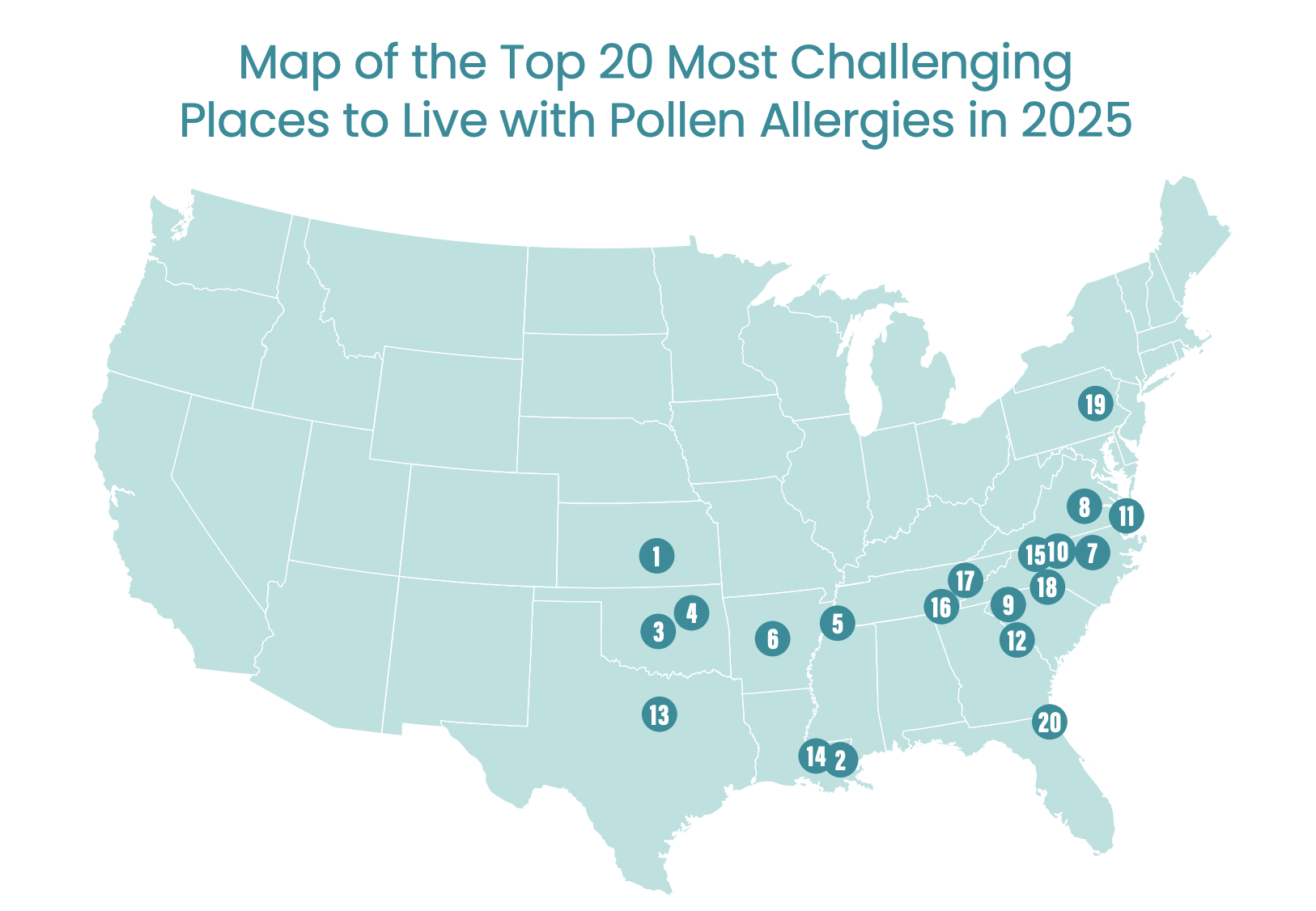
The Top 10 Allergy Capitals of 2026 are:
- Boise, ID
- San Diego, CA
- Tulsa, OK
- Provo, UT
- Rochester, NY
- Wichita, KS
- Raleigh, NC
- Ogden, UT
- Spokane, WA
- Greenville, SC
This list was compiled by studying the 100 most populated areas in the US, using criteria like pollen counts, allergy medication use, and the availability of allergy specialists.
Climate change may be responsible for major shakeups in this year’s report. Intense rainstorms, warmer temperatures, and drought triggered more pollen spikes and longer pollen seasons in the West.
Common Allergy Symptoms
It’s easy to mistake allergy symptoms for a cold, but if your discomfort doesn’t go away with medicine, it could be allergies.
Allergy symptoms vary from person to person, but some common symptoms are:
- Sneezing
- Runny or stuffy nose
- Itchy or watery eyes
- Coughing
- Wheezing or shortness of breath
- Fatigue or trouble sleeping
Creating an Allergy-Friendly Home
Living in an allergy capital, or struggling with allergies anywhere, can make it difficult to enjoy the warmer weather. While you can’t control the outside air, you can control your indoor environment.
Better Ventilation
Ensure proper ventilation in kitchens, bathrooms and attics to reduce the chance for pollen to linger in your vents and air. Use high-efficiency particulate air (HEPA) filters in HVAC systems, changing them at least every three months, and clean ducts regularly.
Spring Cleaning
Wash bedding and rugs in hot water, vacuum frequently with a HEPA-filter vacuum cleaner, and dust surfaces often. Keep your windows closed during high pollen days and make it a habit to remove shoes when entering your home to prevent bringing pollen and dust inside.
Control Moisture and Mold
Excess moisture can trigger mold growth, worsening allergies. Use dehumidifiers to keep indoor humidity levels under 50%. Address any leaks quickly and regularly check for mold in common areas like:
- Shower curtains
- Sinks and tubs
- Toilets
- Trash cans
- Refrigerator seals
Choose Low-VOC Products
Indoor air pollution is often caused by volatile organic compounds (VOCs) and formaldehyde from paint, carpeting, and building products. Using Asthma & Allergy Friendly® Certified products in your home can help you create a healthier indoor environment.
How Knauf Can Help
The Knauf Performance+® portfolio of insulation is Asthma & Allergy Friendly® Certified and Verified Healthier Air™, meaning the products went through extensive testing and meet strict standards for indoor air quality.
Living in an allergy capital doesn’t mean you have to suffer year-round. By improving your home’s indoor air quality and reducing allergens, you can create a healthier, more comfortable living space.
Learn more about how Knauf Performance+ can help you build healthier, more comfortable homes at Knauf Performance+.