Basement & Crawlspace Insulation

The basement — typically known for being a cold space. But with the proper insulation, all that can change. Basement insulation can actually improve indoor home comfort and even save you money on energy costs. An effective insulation project that can be handled by a professional installer or a DIYer.

Key Benefits

Save Money
Save on your home’s heating and cooling bills
Year-Round Comfort
Maintain indoor temperatures in the winter and the summer
Reduce Noise
Reduce room-to-room sound transmission
Browse Our Selection of Fiberglass Basement Insulation
Between the cold and moisture your basement sees, proper insulation is important. That’s why our fiberglass basement insulation is designed to provide the quality you’re looking for.
Performance+® Basement Wall Insulation
Designed for unfinished basements, ensuring proper thermal performance to help reduce energy loss.
Width
48"; 88"
R-Value
R-11
Facing
PSK; FSK
Performance+® EcoBatt® Insulation
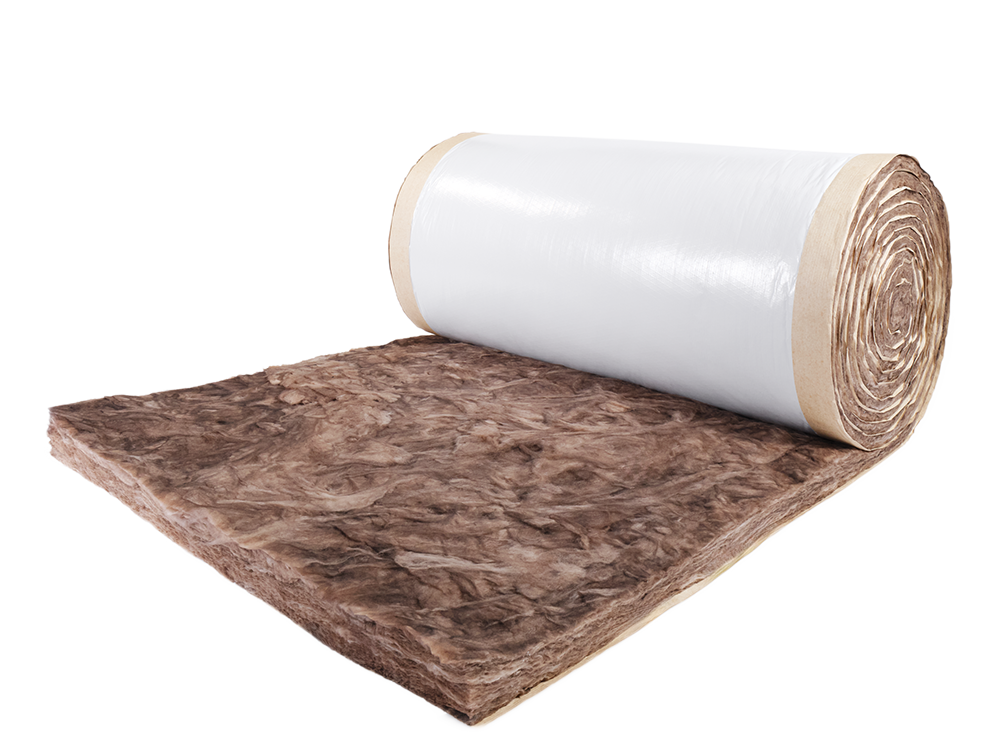
Quality engineered thermal and acoustical fiberglass batt insulation with innovative ECOSE® technology is ideal for floors, walls, ceilings and attics.
Thickness
2.5" - 13.75"
R-Value
R-8 - R-49
Width
11" - 24"
Performance+® EcoRoll® Insulation
Quality thermal and acoustical insulation with ECOSE® Technology for attics, floors, walls, ceilings and more.
Thickness
3.5" - 10"
R-Value
R-11 - R-30
Widths
15" and 23"

Getting Started

Before you hurry to install your basement insulation, you’ll want to examine the space first. Make sure your basement isn’t prone to water damage. All concrete basements can see a certain level of moisture, as concrete is porous, making basements a little tricky to insulate. So choosing the right insulation is important.

Additionally, you’ll want basement insulation that provides the right amount of thermal performance. How do you make sure you’re getting the maximum benefits? Install insulation with the proper R-value.

How do you figure out R-value?

R-value refers to the insulation’s ability to resist heat flow. The greater the R-value the greater the insulating performance. R-value requirements are different based on your location. Colder climates will typically require a higher R-value for even greater thermal resistance. Use the energy code map to help determine R-value for your region.

US Climate Zones Map

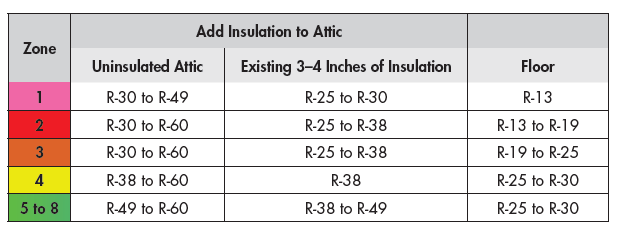
Suggested R-Values when adding insulation to the attic

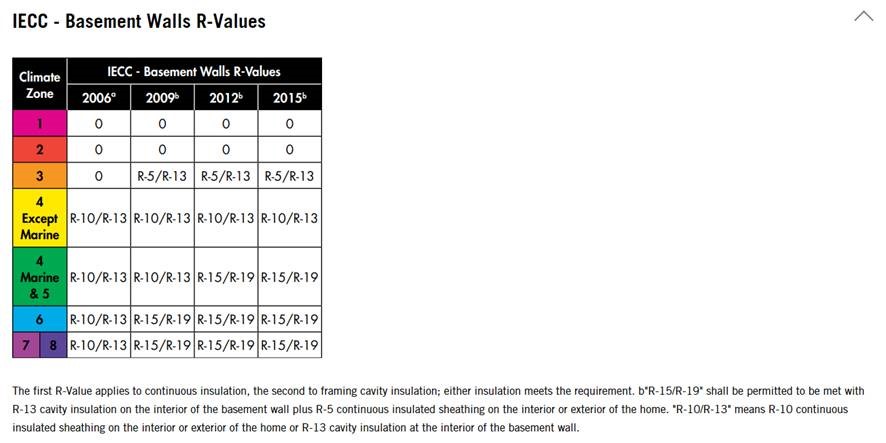
Table of IECC Basement Walls R-Values

Source: 2012 IECC

Designed to Meet Industry Standards

We manufacture basement and crawl space insulation to meet the following environmental and building standards. Please refer to individual product documentation for complete certifications, rating systems and disclosures.

How to Choose the Right Insulation

Fiberglass Insulation
The smart choice to make spaces more comfortable and energy efficient.
Learn More
R-Value
The ability to resist heat flow — insulation's thermal resistance.
Learn More
Thermal Properties
Ability to enhance a thermal enclosure for comfort and efficiency.
Learn More
Insulating For Sound
Sound absorption characteristics, helping reduce noise transmission.
Learn More