


Four Energy Sources Shaping Sustainable Manufacturing
08/01/2025
Manufacturing top-tier building products requires substantial energy. While energy efficiency is an important step, to truly reduce carbon emissions, Knauf is researching other energy sources beyond fossil fuels.
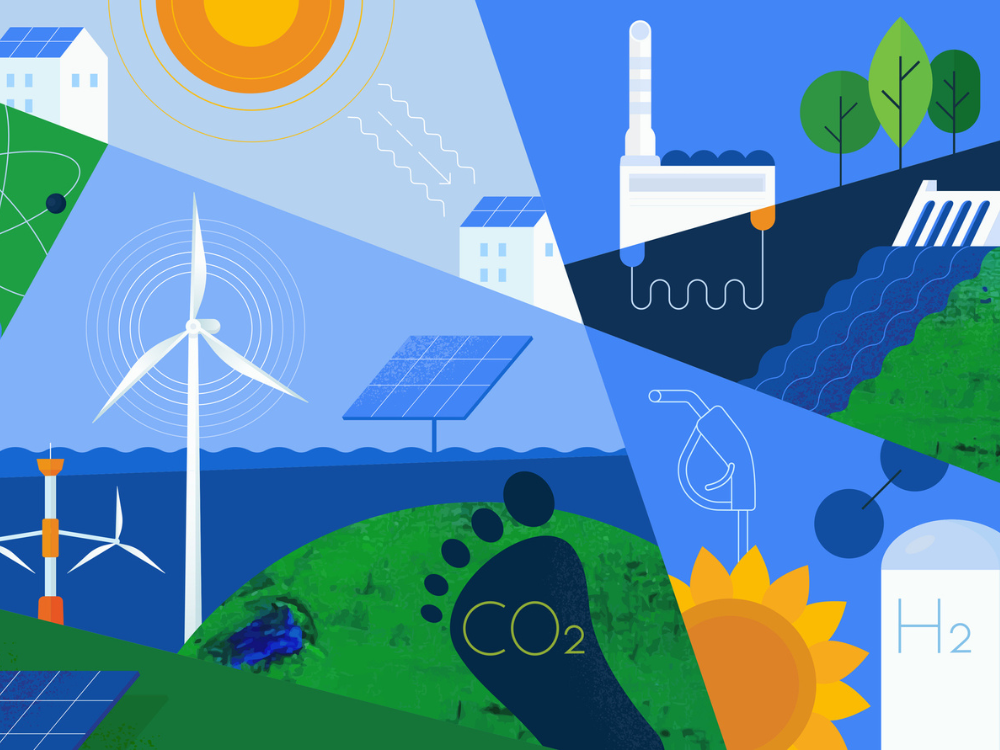
Most conversations on ‘green energy’ focus on solar and wind. These technologies can be a great solution for some businesses; however, manufacturing often requires large amounts of consistent power and process heat, which means other clean energy sources must be considered as part of a reliable and sustainable energy mix. This means critically investigating a broader portfolio of clean energy technologies.
Here is a snapshot of other clean energy technologies:
A New Generation of Nuclear Power
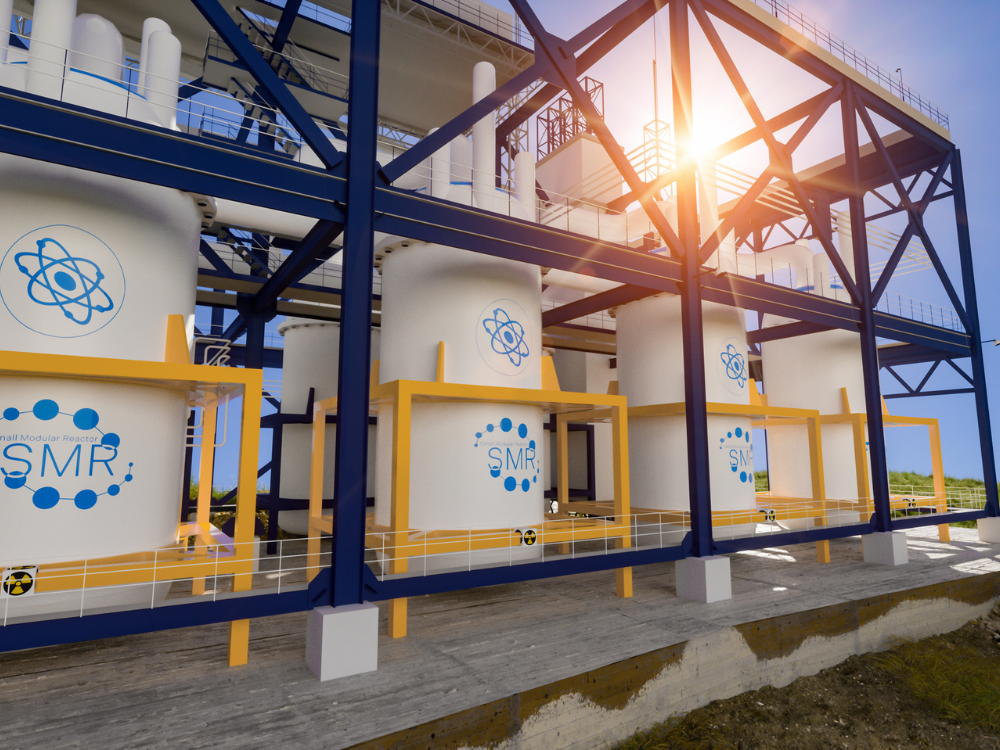
Nuclear energy is getting renewed attention as energy demands grow from artificial intelligence and data centers. Newer nuclear technologies like small modular reactors (SMRs) are designed to be safe and easier to build, while meeting electricity demands. These compact SMR systems could provide consistent, zero-carbon electricity in addition to renewable energy sources, once costs and development times are reduced.
Challenges: Regulatory hurdles, cost, and waste management
Hydrogen: A Flexible but Challenging Fuel
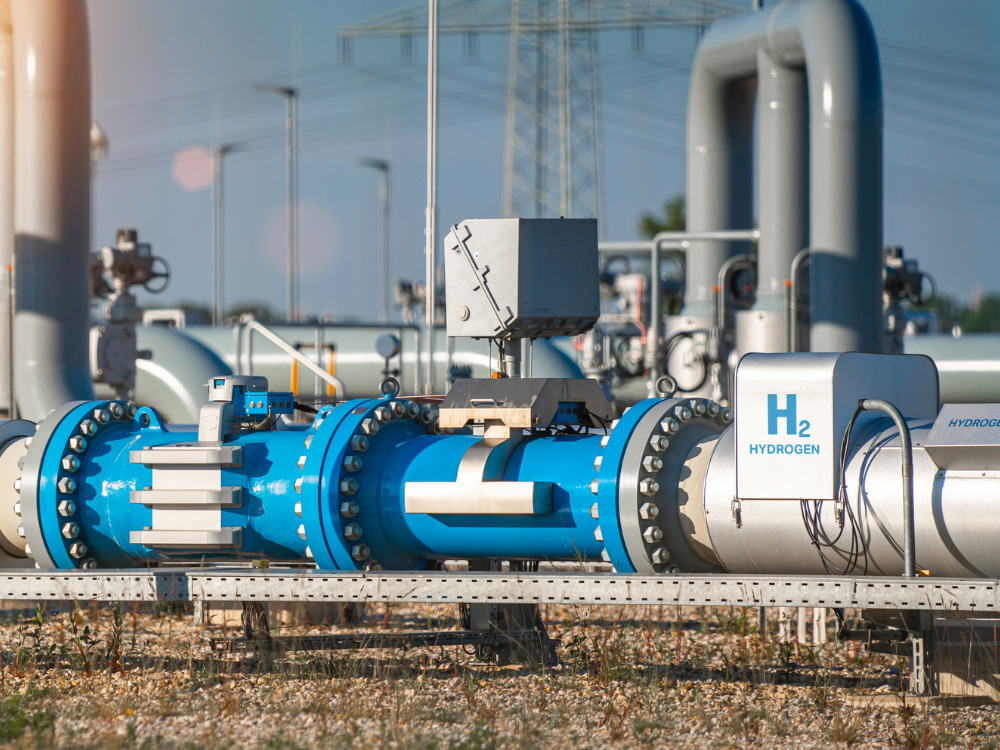
Hydrogen gas can be made in several ways, each with an associated color that differentiates the type of energy used in the generation process. For example, hydrogen produced using renewable energy sources is called ‘green hydrogen’ and hydrogen produced using natural gas is called either ‘blue or gray hydrogen.’ Although hydrogen has significant potential as a clean energy carrier, its production for industrial use faces many issues.
Challenges: Need for water and electricity inputs, transportation logistics
Geothermal: Tapping into the Earth’s Heat
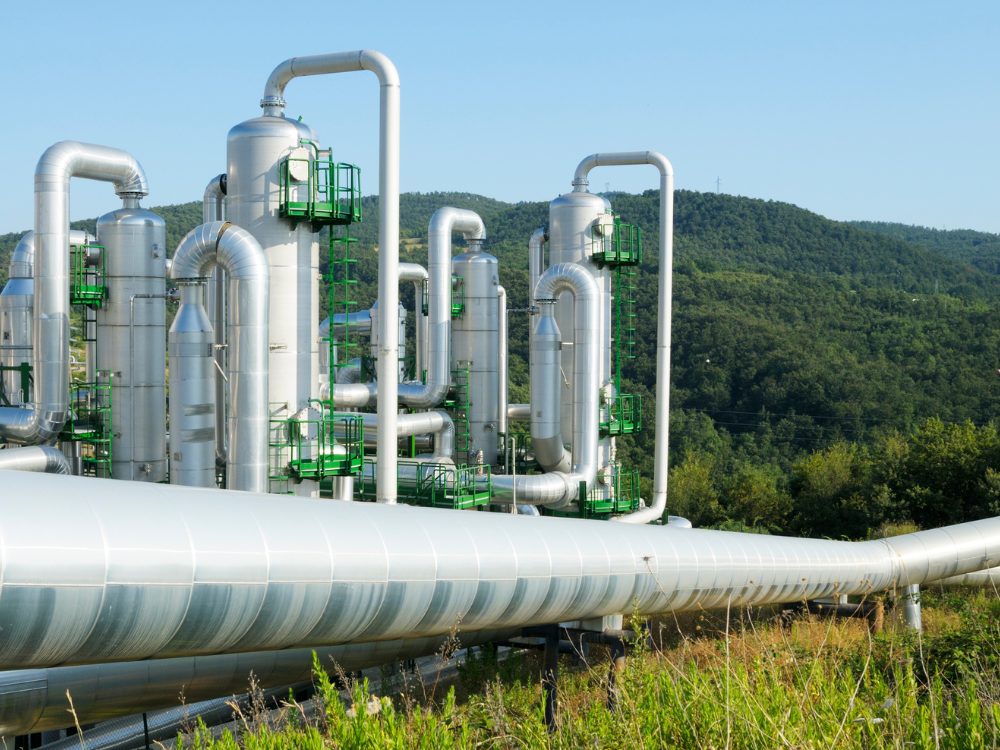
Geothermal energy harnesses the natural heat from beneath the Earth’s surface. It’s clean, reliable and consistent, but with a high upfront cost. It has excellent potential to contribute to the renewable energy future, especially in regions with abundant geothermal resources, like the western U.S.
Challenges: High upfront costs, high water use, geographical limitations
Biogas: The Agricultural Circular Economy
Biogas is a renewable energy source produced by breaking down organic waste, such as manure, sewage or agricultural refuse. The resulting gas can directly substitute natural gas to produce heat and be used to make electricity when connected to a generator. The byproduct can be also used as fertilizer.
Challenges: Locating facilities near agricultural sites, need for stabilized temperatures, inability to scale for large electricity production
What We’re Doing
At Knauf, we recognize that no single clean energy technology can fully address the complex energy demands of modern manufacturing. That’s why we are actively exploring a diverse range of innovative solutions. Through rigorous research, assessments, and pilot projects, we are evaluating the potential of small modular reactors (SMRs), hydrogen, geothermal energy, and biogas, each offering distinct advantages and challenges. Our commitment goes beyond exploration; we are dedicated to integrating these technologies into a cleaner, smarter, and more sustainable energy mix that aligns with our vision for making tomorrow a home for all of us.