


How to Reduce Construction Waste and Achieve LEED Points
01/07/2026
Buildings contribute significantly to global waste, generating over 3.3 billion tons of construction and demolition waste each year. That’s enough material to build nearly 10,800 Empire State Buildings (USGBC).
Reducing waste on the jobsite is an effective way to cut costs while promoting sustainability. From careful planning to choosing recycled materials, every step on the jobsite can minimize waste and contribute to LEED certification under the Materials and Resources (MR) category.
Here’s how construction teams can reduce waste before, during and after construction, and earn LEED Points along the way.
Pre-Construction
Plan Ahead to Reduce Waste
Accurate planning prevents over-ordering and reduces excess materials. Stopping waste before it is created is always a higher priority than managing waste after construction. Start by reviewing project plans to double-check measurements and coordinate with your team to estimate material needs. Digital tools like the Knauf Pro+ App support this work by helping crews calculate exact insulation material needs and measure spaces with built-in LiDAR technology, which leads to more precise orders and fewer leftovers.

The Knauf Pro+ App accurately measures your space, saving time and cost by reducing material waste.
LEED Opportunity: Creating a well-defined Construction Waste Management Plan can earn LEED credits under the Materials and Resources (MR) category. This plan should identify materials to divert from landfills (e.g. wood, brick, etc), set clear diversion goals (e.g. 50% of packaging waste will be separated and collected), and document progress (e.g. through photos and tracking reports).
Identify Ways to Reuse and Recycle Materials
Plan ahead to give materials a second life. This requires upfront planning on which materials can be reused on-site, which can be repurposed for other projects, and which local partners can handle recycling.
- Salvage wood, metal, and concrete from demolition or past projects.
- Recycle construction waste by partnering with local facilities that accept materials such as glass, metal, and drywall.
- Repurpose offcuts for smaller builds or donate them to organizations like Habitat for Humanity.
LEED Opportunity: Diverting at least 50% of construction and demolition waste earns one LEED point. Diverting 75% of waste from landfills = 2 LEED points.
Choose Sustainable Materials
Selecting the right materials sets the foundation for long-term performance and sustainability.
- Recycled content: Choose materials made with recycled content, such as Knauf insulation, which contains up to 55% UL-validated recycled glass, reducing the need for virgin materials.
- Locally sourced materials: Sourcing materials nearby reduces transportation emissions, supports local economies, and can contribute to LEED regional materials credits. (USGBC)
- Durability: Opt for products that last longer to avoid frequent replacements and cut down on future waste.
- Low-emission products: Materials with verified low VOCs improve indoor air quality and support healthier building environments. (EPA)
LEED Opportunity: Selecting sustainable materials can help earn LEED credits under the Materials and Resources (MR) and Indoor Environmental Quality (EQ) categories.
Design for Future Re-Use
Think long-term when designing buildings.
- Plan for future reuse: Make it easier to disassemble and recover materials at the end of a building’s life.
- Adopt modular design: Components can be removed and reused in future projects.
LEED Opportunity: Designing for material recovery and reuse supports LEED MR credits.
During Construction
Manage Your Waste
An organized jobsite helps minimize waste and contamination.
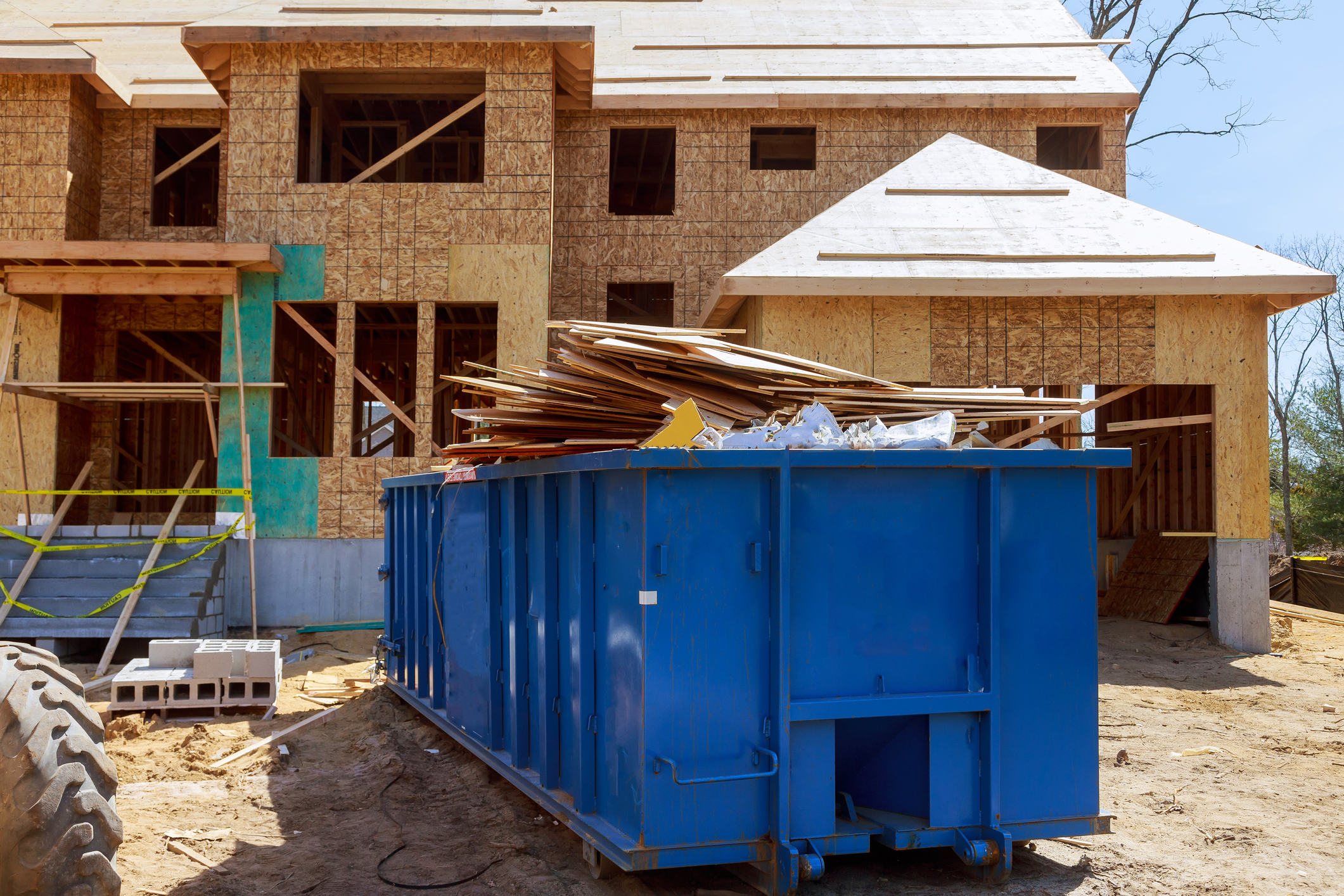
- Sort waste by material type for easier recycling. This may require additional rolloff bins on your jobsite and/or contractors to haul specific streams.
- Monitor waste generation to track diversion rates and improvement areas. Take photos, monitor bins and collect data.
- Train teams on expected and proper sorting, recycling, and waste reduction actions. Track the hours and method of training you provide.
Packaging Can Quickly Pile Up On-Site
- Return pallets and containers to suppliers or other companies that reuse pallets.
- Use durable reusable containers for storage and transport.
- Some states may have rules around packaging management.
LEED Opportunity: Educating staff on waste reduction strategies supports LEED recognition for sustainable site practices.
After Construction
Donate or Re-sell Excess Materials
Keep usable materials in circulation by donating extras to local charities like Habitat for Humanity or reselling to other contractors. These actions reduce landfill waste and support community projects.
LEED Opportunity: Donation and resale programs align with LEED waste management strategies.
By planning ahead, choosing sustainable materials, and rethinking how materials move through the jobsite, buildings can transform from waste generators into resource regenerators. These strategies also help projects earn LEED certification, showcasing a project’s commitment to measurable sustainability and high-performance construction.
Knauf helps meet diversion and sustainability targets with insulation made from high recycled content and low-emission materials. When combined with careful planning on-site, these choices strengthen your path toward LEED certification.