


Homeowners Forget About This When Building & Buying a New Home
04/08/2021
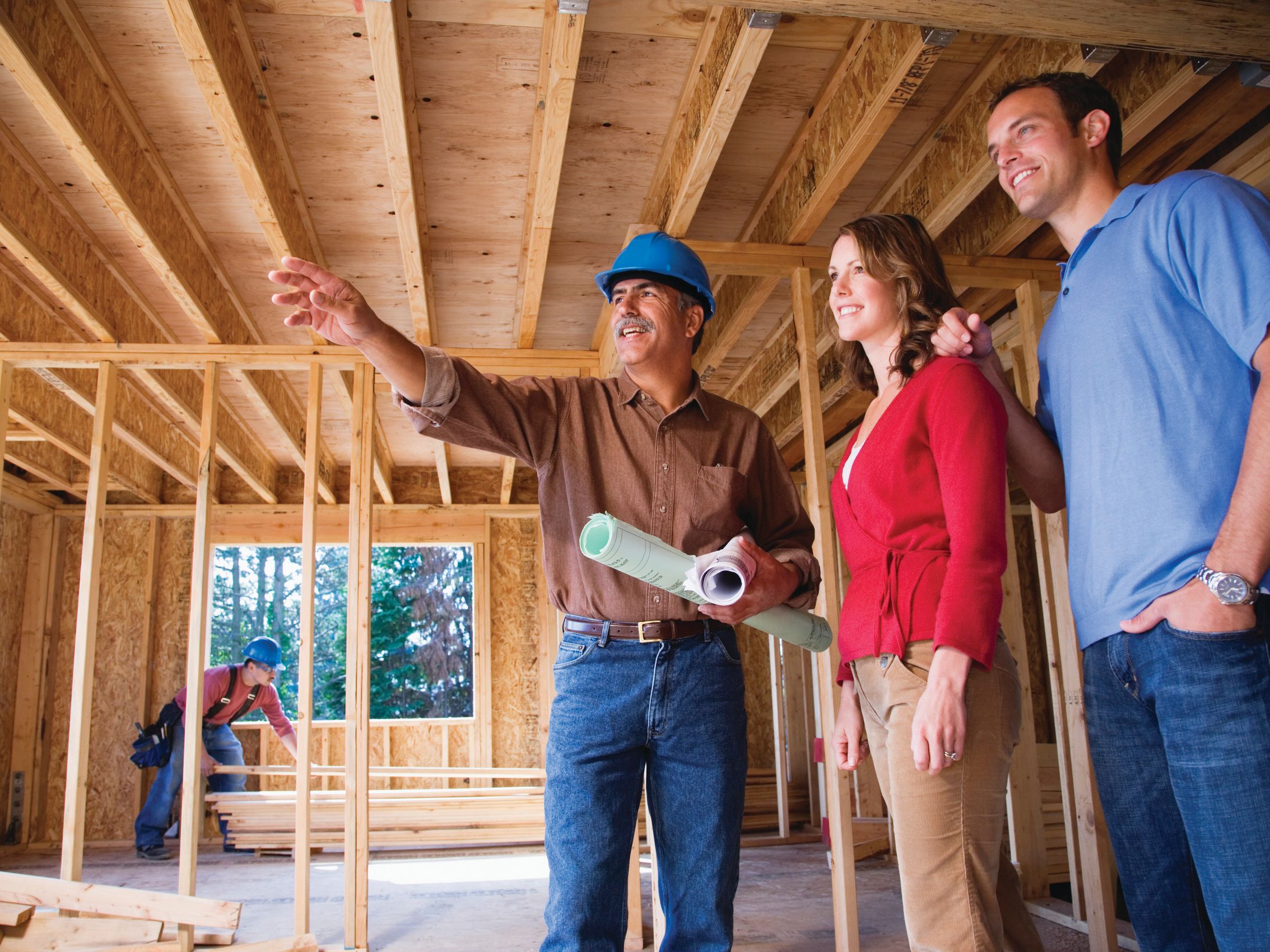
Building a new home will be one of the biggest events in your life, and creating your “dream home” can be very exciting and rewarding. A lot of thought and planning will be required to make the best choices involved when buying or building the house — the flooring, fixtures, kitchen layout, lighting, paint colors, even down to the doorknobs. It can be overwhelming and rather time-consuming. But most of these features in the home are visual. What about the features that are not seen every day? What about the energy efficiency and insulation for a home?
Making Your New Home Energy Efficient
One of those unseen and often overlooked parts of a house that should receive more attention is the air sealing and insulation. What is inside your home’s walls, attic, basement, and floors — and whether it is well-sealed — will have a significant long-term impact on your energy costs and comfort for the life of the home.
In most new homes, the air sealing and insulation used is based on the state and local building requirements and energy codes. Those codes prescribe the minimum level of insulation (R-value) within different parts of the home and the minimum level of air sealing used in the home.
Costs of Materials in a New Home
On average, the level of insulation and air sealing required by building codes is only about 2 percent of the total cost of the home. Compared to all of the other more common choices required in building a home, this is one of the lower expenses, yet has a huge impact on the home’s performance.
Average component cost percentages of a completed home:
- Plumbing & Bathroom Fixtures – 8.5%
- Cabinets and Countertops – 5.2%
- Flooring and Carpeting – 4.4%
- Electrical & Fixtures – 4.4%
- Heating & Cooling – 2.9%
- Finish Hardware, Lumber and Labor – 2.4%
- Insulation & Air Sealing – 2.3%
Though it is traditionally one of the lowest costs in a home, air sealing and insulation is one of the most important systems. Just like other feature options in their homes, most builders offer upgraded air sealing and higher R-value insulation. All you have to do is ask!
Why Insulation & Air Sealing Is So Important
The energy efficiency of your home and the central role of the air sealing and insulation system you choose provides numerous benefits, including:
- Immediate energy savings as soon as it is installed
- Prevents cooled or heated air from leaking outside the home
- Provides year-round comfort by maintaining a consistent temperature throughout the home
- Will perform its job for the entire life of the home
- Limits noise between rooms and from outside
- Will require little future investment or maintenance
- Reduces emissions that cause global warming
- Boosts resale values
Consult an Expert
Knowing what type of insulation is best and where to upgrade may require an expert. RESNET (Residential Energy Services Network) trains and certifies Energy Raters that can be called on by you and/or the builder to help evaluate options to obtain the best cost/performance for this important system in your home. They can provide an assessment of the energy required to heat/cool the home based on the choices selected. This assessment is called a HERS Index. The Energy Rater can also be used to test the energy efficiency of the home while under construction using tools like a Blower Door Test, Duct Leakage Test, and Thermal Imaging. This testing can find issues and correct them before the home is completed.
Building a new home, and all the decisions it entails, will be an exciting and challenging endeavor. Don’t overlook one of the most important features in your new home — be sure to talk to your builder about the options they offer to ensure your home is energy efficient and remains comfortable year-round.
Sources
- Oak Ridge National Laboratory — Insulating a New House
- Home Guide — How Much Does It Cost to Build a House?
- 24hplans.com — How Much Does it Cost to Build a New House: Itemized Costs in 2021
- RESNET HERS Index — What is an Energy Rating?
- RESNET HERS Index — Home Energy Rating: Benefits to Homeowners
- RESNET HERS Index — What’s the Big Deal About the HERS Index?
- RESNET HERS Index — Air Sealing For Maximum Efficiency
- RESNET HERS Index — 5 Secrets to an Energy Efficient Home
- Energy.gov — Insulation for New Home Construction
- Pheasant Hill Homes — How Much Insulation Should I Have?
- Mass.gov — Insulation: A Fact Sheet (PDF)
- EcoHome — How Much Insulation Is Too Much In Attics and Walls?