

Time Is Running Out: Claim Up to $1,200 with the 25C Tax Credit for Insulation and Air Sealing
08/27/2025
If you’ve been considering an insulation or air sealing upgrade for your home, the time to act is now.
A recent change in federal law has accelerated the expiration of the 25C tax credit, also known as the Energy Efficient Home Improvement Tax Credit (EEHITC). Originally set to run through 2032, this tax credit will now end on December 31, 2025, giving homeowners and contractors just a few short months to complete qualifying projects and claim up to $1,200 in savings.
To qualify, your project must be completed—not just scheduled—by the deadline. That means the window to plan, order materials, and finish your upgrade is closing fast.
What is the Insulation Tax Credit?
The 25C tax credit offers a 30% federal tax credit (up to $1,200 annually) for qualified energy-efficient home upgrades, including insulation and air sealing. It’s a dollar-for-dollar reduction on your federal tax bill, meaning if you owe taxes, this credit directly reduces what you pay.
This includes energy-efficient upgrades and installations, such as:
- Insulation and air sealing materials or systems
- Exterior doors, windows, and skylights
- Residential energy property such as heat pumps, heat pump water heaters, biomass stoves, and boilers
Note: This tax credit applies only to the cost of eligible materials—labor costs are not included. Be sure your invoice separates material and installation charges so you can correctly claim your credit.
Who’s Eligible for the 25C Tax Credit?
In order to qualify:
- The home must be your primary U.S. residence (where you live most of the year)
- The home must be existing construction (not a new build)
- You must live in the home; landlords and investors don’t qualify
How to Claim the 25C Tax Credit
Here’s how to take advantage:
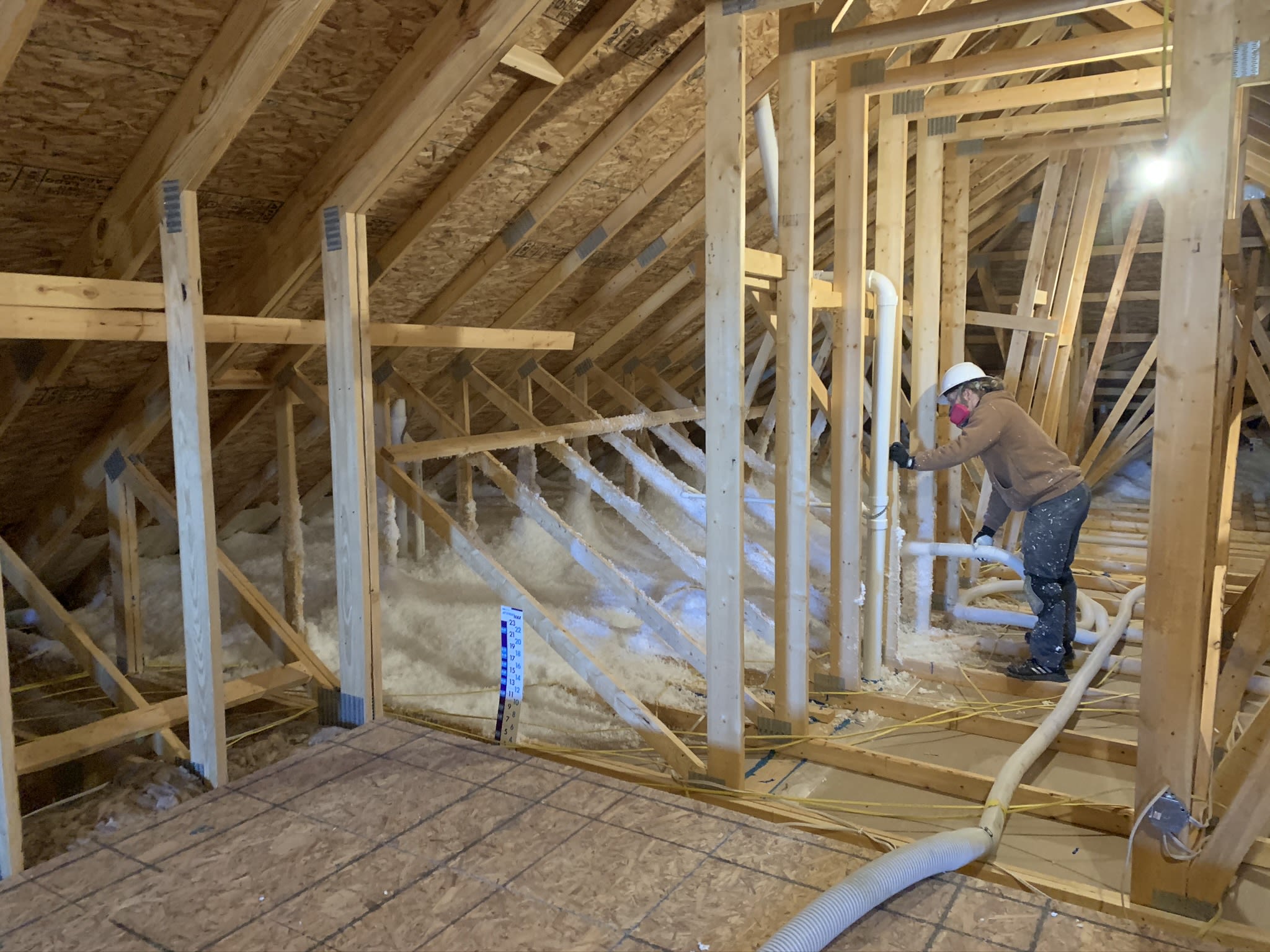
- Use qualifying materials: Make sure your insulation products meet the IRS criteria for performance and use. Qualifying products include Performance+® EcoBatt®, Performance+ EcoFill®, Basement Wall Insulation, and other Knauf Insulation products.
- Keep documentation: Make sure your invoice clearly separates material and labor costs. The tax credit only applies to materials.
- File IRS Form 5695: This form allows you to claim residential energy credits. When in doubt, consult a tax professional.
- Complete your project by December 31, 2025: Ensure your project is finished before the deadline to qualify.
Why Insulation and Air Sealing Pay Off Year after Year
Nine out of 10 homes in the U.S. are under-insulated and leak more air than they should, leading to energy waste and discomfort (NAIMA).
Upgrading your insulation and air sealing before the tax credit expires can reduce your tax bill while delivering long-term improvements to your home:
- Lower energy bills: Reduce heating and cooling costs by an average of 15% (EPA).
- Increased indoor comfort: More consistent temperatures year-round.
- Improved indoor air quality: Air sealing reduces allergens, pollutants, and outdoor contaminants.
- Quieter spaces: Insulation can reduce room-to-room sound transmission, helping create a quieter, more peaceful home.
- Boost resale value: Energy-efficient upgrades are attractive to buyers and can boost home value.
Complete Your Project Before the Credit Expires
Whether you’re a homeowner planning a project or a contractor helping clients make smart upgrades, the time to act is now. Start your planning, gather your materials, and finish your work before the end of 2025.
Waiting could cost you up to $1,200 in missed tax credits—and another season of higher energy bills and an uncomfortable and underperforming home.
For more information, visit the IRS Energy Efficient Home Improvement Credit page.
This summary is intended to provide a general overview of 25C and was developed for the convenience of our customers. Use of this summary does not ensure compliance with IRS 25C, Treasury regulations, or any other laws or regulations governing tax credits or the financial viability of any project. Knauf Insulation, Inc. (the “Company”) is not responsible for any errors or omissions contained in this summary. Applicable laws, regulations, and Treasury guidance prevail over the content of this summary. The Company is neither responsible for nor liable for an owner’s noncompliance with applicable tax credit requirements. An owner should not rely solely on the Company to determine if the project and project records are in compliance with applicable requirements. The Company accordingly strongly advises that all potential tax credit recipients consult their tax accountant, attorney or advisor as to the specific requirements of the tax credit program.