


Cellulose vs Fiberglass Insulation: Which is Best?
09/02/2025
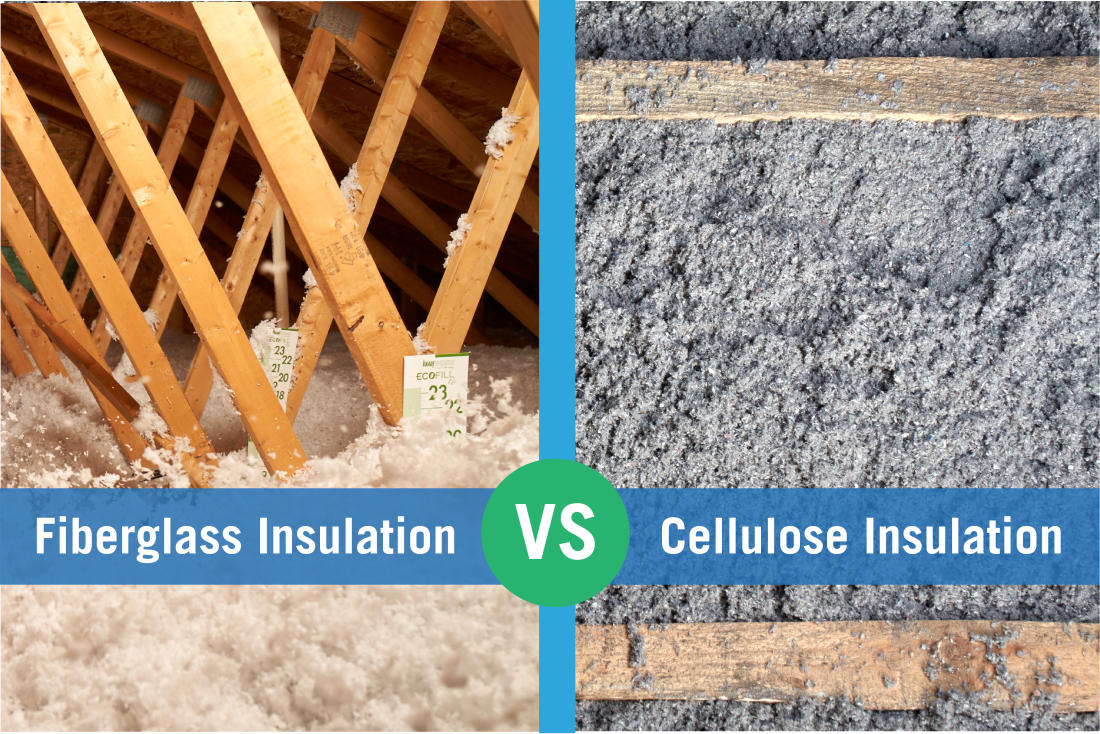
When considering insulation for a new home or remodel, one of your first decisions is likely, “What type of insulation material should I use?” Two of the most common types of home insulation available today are fiberglass and cellulose. It’s important to know the differences between fiberglass vs cellulose insulation (i.e., ease of application, thermal performance, fire resistance, moisture resistance, and environmental impact) to determine which is right for your project.
Let’s get to the facts, so you can make an informed decision.
What is Fiberglass Insulation?
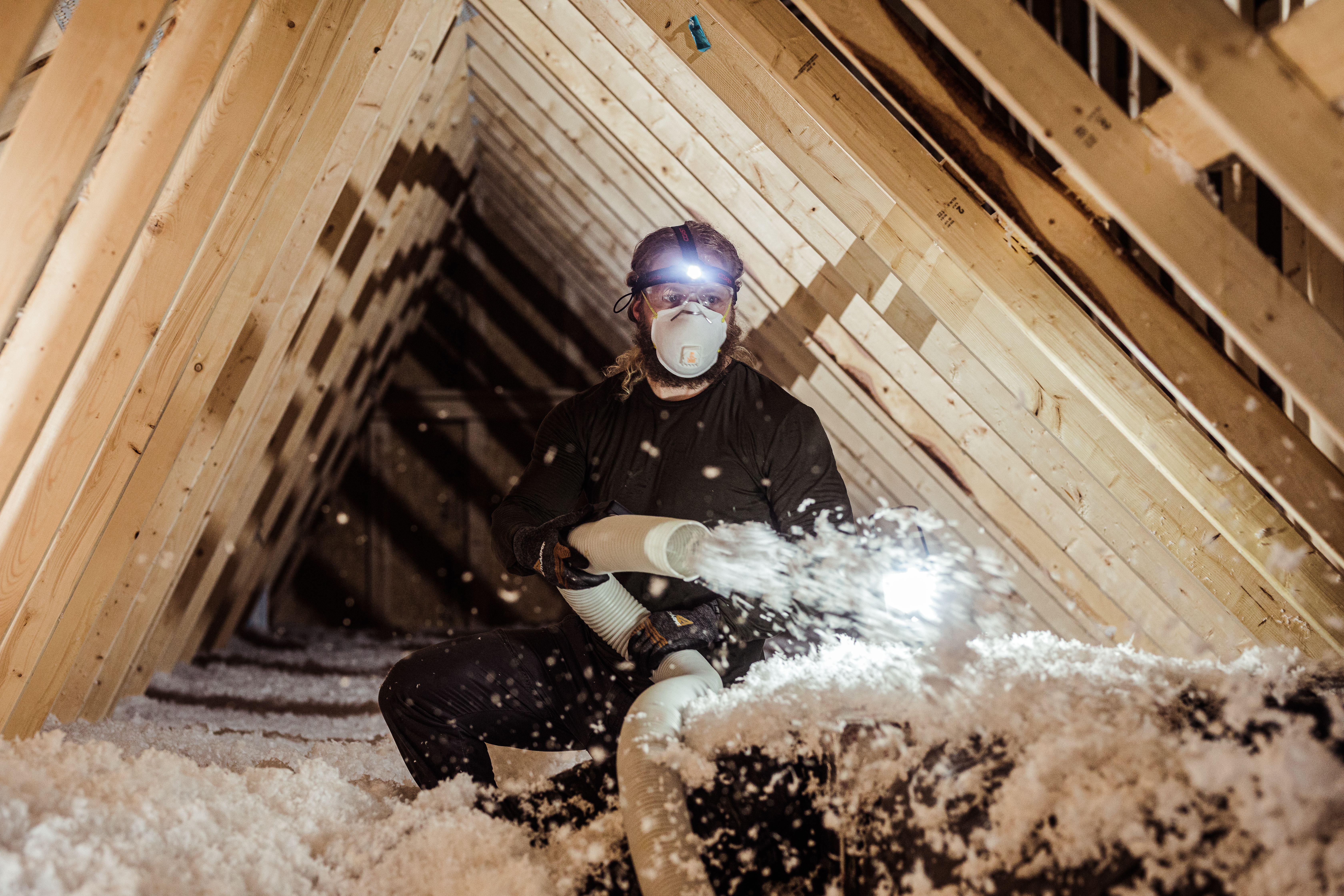
Fiberglass insulation is made from recycled glass and other rapidly renewable raw materials, which are melted and spun into fibers. It comes in various forms, including batts, rolls, and blown-in insulation (sometimes referred to as loose-fill or blowing wool). Fiberglass insulation is lightweight and offers excellent thermal and acoustic performance.
What is Cellulose Insulation?
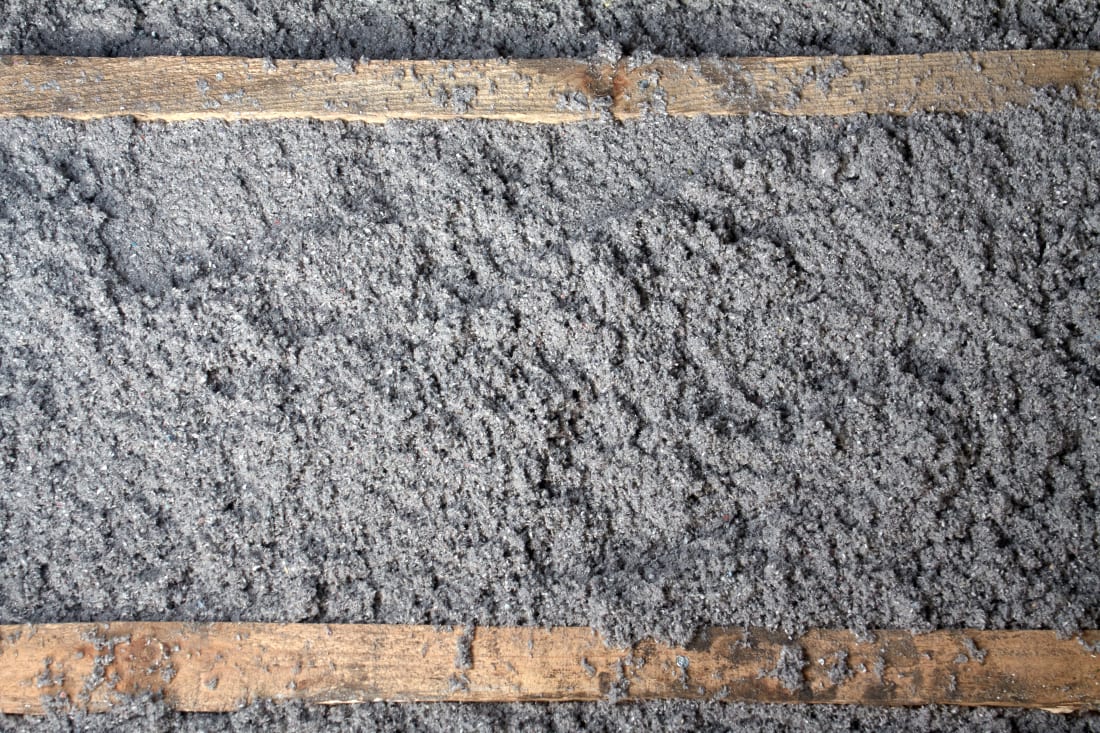
Cellulose insulation is primarily made from ground-up recycled newspaper. It is almost always installed in blown-in form, used in attic or for “drill and fill” applications in existing sidewalls. Cellulose can also be wet-applied in certain scenarios. While it offers thermal performance, it is heavier and dustier than fiberglass insulation in attic applications.
Thermal Performance / R-Value
Thermal performance is a key consideration when selecting insulation, as it directly impacts energy efficiency and comfort. Fiberglass insulation is engineered to deliver consistent thermal resistance, achieving higher R-values than cellulose within the same wall cavity. For example, blown-in fiberglass insulation can reach an R-15 in a 2x4 sidewall, compared to cellulose, which typically maxes out at R-13 in the same construction. Fiberglass also maintains its thermal performance over time, as it resists settling and degradation, ensuring long-term reliability.
In contrast, cellulose insulation is more prone to settling, which can create gaps and reduce its insulating effectiveness over time. This makes fiberglass a dependable choice for consistent thermal performance and energy efficiency throughout the life of the building.
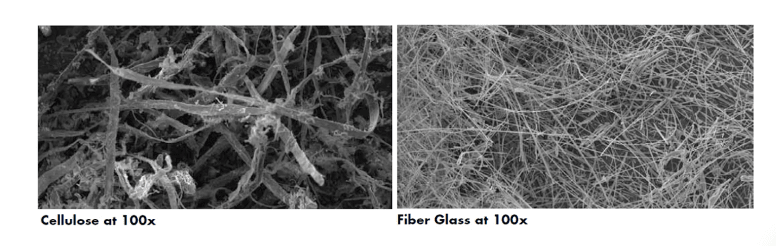
R-value is the resistance to heat flow. The higher the R-value, the greater the insulating power. Fiberglass insulation can achieve higher R-values than cellulose in the same wall cavity. This is because fiberglass insulation can be engineered to have more, finer fibers in the product, which results in excellent thermal performance.
Fire Resistance
Fire resistance is essential for safety and code compliance. Fiberglass insulation, made from recycled glass and sand, is naturally non-combustible and requires no added fire-retardant chemicals. Products like Knauf’s blown-in fiberglass and unfaced batts meet ASTM E136 standards and strict building codes, ensuring reliable performance with a flame spread index of 25 or less and a smoke-developed index of 50 or less.
Cellulose insulation, made from paper, is inherently combustible and depends on heavy chemical treatments, such as borates, for fire resistance.
Moisture Resistance
Moisture resistance is another key consideration in ensuring the long-term performance and durability of insulation materials, particularly in areas prone to high humidity. Fiberglass insulation is ideal in this aspect, as it does not absorb water and serves as an inhospitable environment for mold and mildew. This allows fiberglass insulation to maintain its insulating properties over time, providing peace of mind and consistent performance.
On the other hand, cellulose insulation is more susceptible to moisture absorption, which can compromise its effectiveness, leading to a reduction in its insulating performance.
Environmental Impact
Both fiberglass and cellulose insulation offer significant benefits in terms of sustainability. For instance, fiberglass insulation, like Knauf’s blowing wool, is made from sand and recycled glass, making it an eco-friendly choice. Additionally, many fiberglass products feature certifications such as GREENGUARD Gold, which signify low VOC emissions and promote healthy indoor air quality, aligning with sustainable construction practices.
Cellulose insulation, composed of up to 85% recycled paper, is also acknowledged for its sustainable raw material sourcing.
When comparing fiberglass vs cellulose insulation, it is essential to select insulation that successfully balances sustainability, performance, and safety to achieve long-term environmental goals and sustainability advantages.
Ease of Installation
Fiberglass insulation’s lightweight design and tightly spun fibers produce less dust, ensuring a more comfortable experience for installers. Blown-in fiberglass creates a uniform layer with minimal mess, while batts and rolls can be installed without specialized equipment, reducing labor time and costs.
Cellulose insulation, made from shredded newspaper, is dustier, making fiberglass an excellent choice for a cleaner installation.
Side-By-Side Insulation Comparison
| Fiberglass Insulation | Cellulose Insulation | |
|---|---|---|
| Main Ingredient | Recycled Glass | Recycled Paper |
| R-Value | R-15 in 2x4 Wall Cavity | R-13 in 2x4 Wall Cavity |
| Fire Resistance | No added flame retardants | Added chemical flame retardants |
| Moisture Resistance | Resistant | Absorbs moisture |
| Settling | Virtually no settling (<1.5%) | Settles up to 20% over time |
| Environmental Impact | Made from sand and recycled glass | Made from recycled paper |
| Installation | Lightweight, less dusty | Dusty |
The Best Insulation Material Choice
When it comes to cellulose vs fiberglass, the decision is clear. With its ease of installation, durability, fire and moisture resistance, sustainability, and long-term performance, it is no mystery why fiberglass insulation is the choice for most American homes.