


What's In Your Duct?
05/27/2026
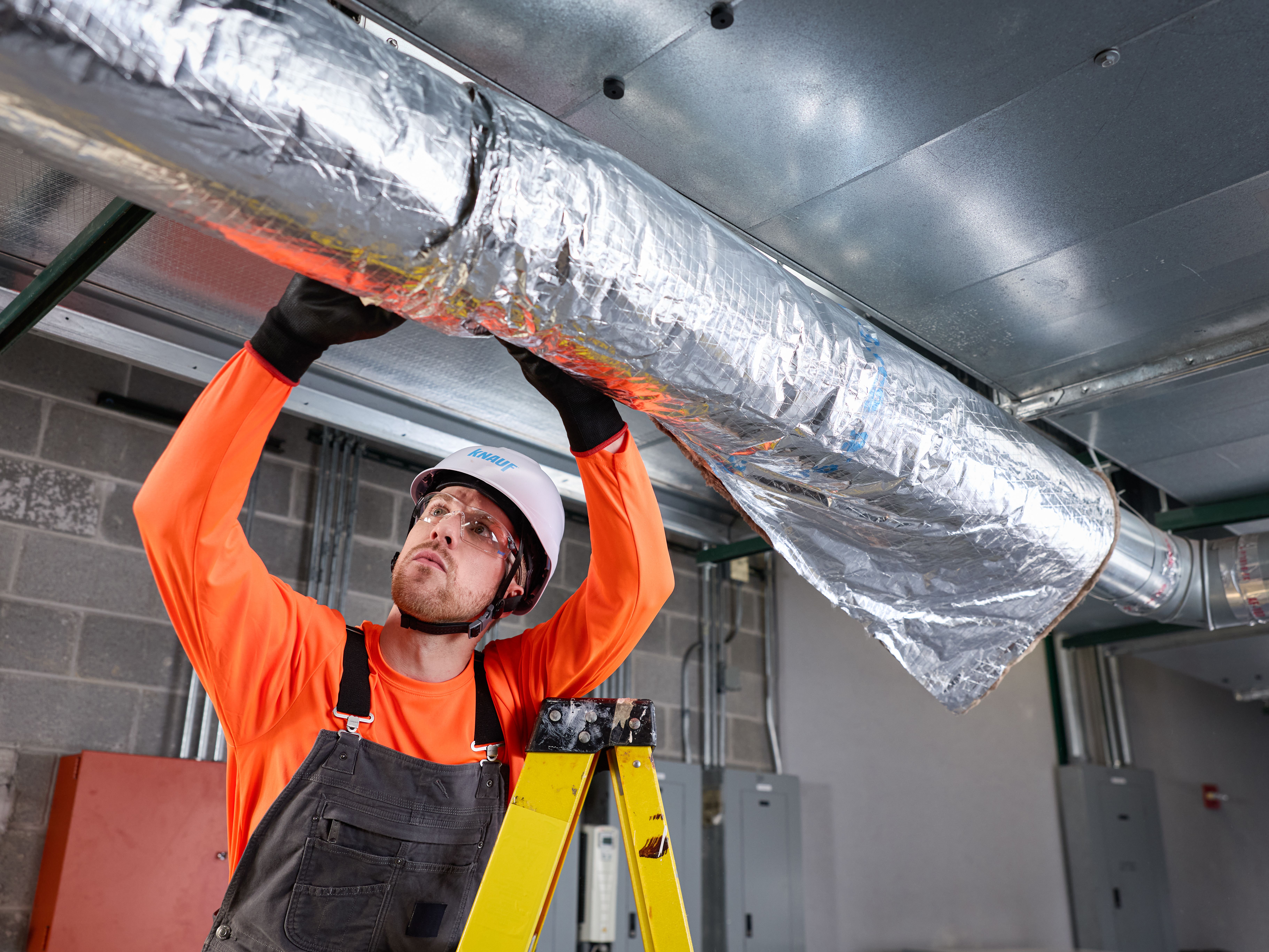
Even though it’s moving air that moves through their lungs, many people don’t think about what’s inside their duct system. But they should. That’s because a duct system plays an essential role in one of the most important factors that contribute to healthier indoor air quality (IAQ): the HVAC air distribution system.
While elements of an HVAC air distribution system like air filters and maintenance, or other considerations such as outdoor air quality, get a lot of attention for their importance in achieving healthier IAQ, the insulation lining the inside of the duct system is often overlooked. At the same time, the duct system serves as the infrastructure through which every breath of conditioned air travels through a building.
May is the ideal month to consider how “what’s in your duct” impacts IAQ and how that, in turn, impacts the health of building occupants. Since 1984, the Asthma and Allergy Foundation of America (AAFA) has designated May as National Asthma and Allergy Awareness Month, a time to focus on respiratory and immune health. The awareness month aims to educate the public about asthma and allergic diseases, risk factors, symptoms, and treatment.
In 2026, the AAFA reports that nearly 28 million people in the U.S. have asthma, or about 8 out of 100 people. Meanwhile, the United States Environmental Protection Agency estimates that Americans spend approximately 90% of their time indoors where air can be 2 to 5 times more polluted than outdoor air.
What’s Actually Inside Most Duct Systems
Ensuring that a duct is lined with high-performing insulation is an important step in supporting healthier indoor air. Common types of duct insulation include duct liner (shown below) and duct board.
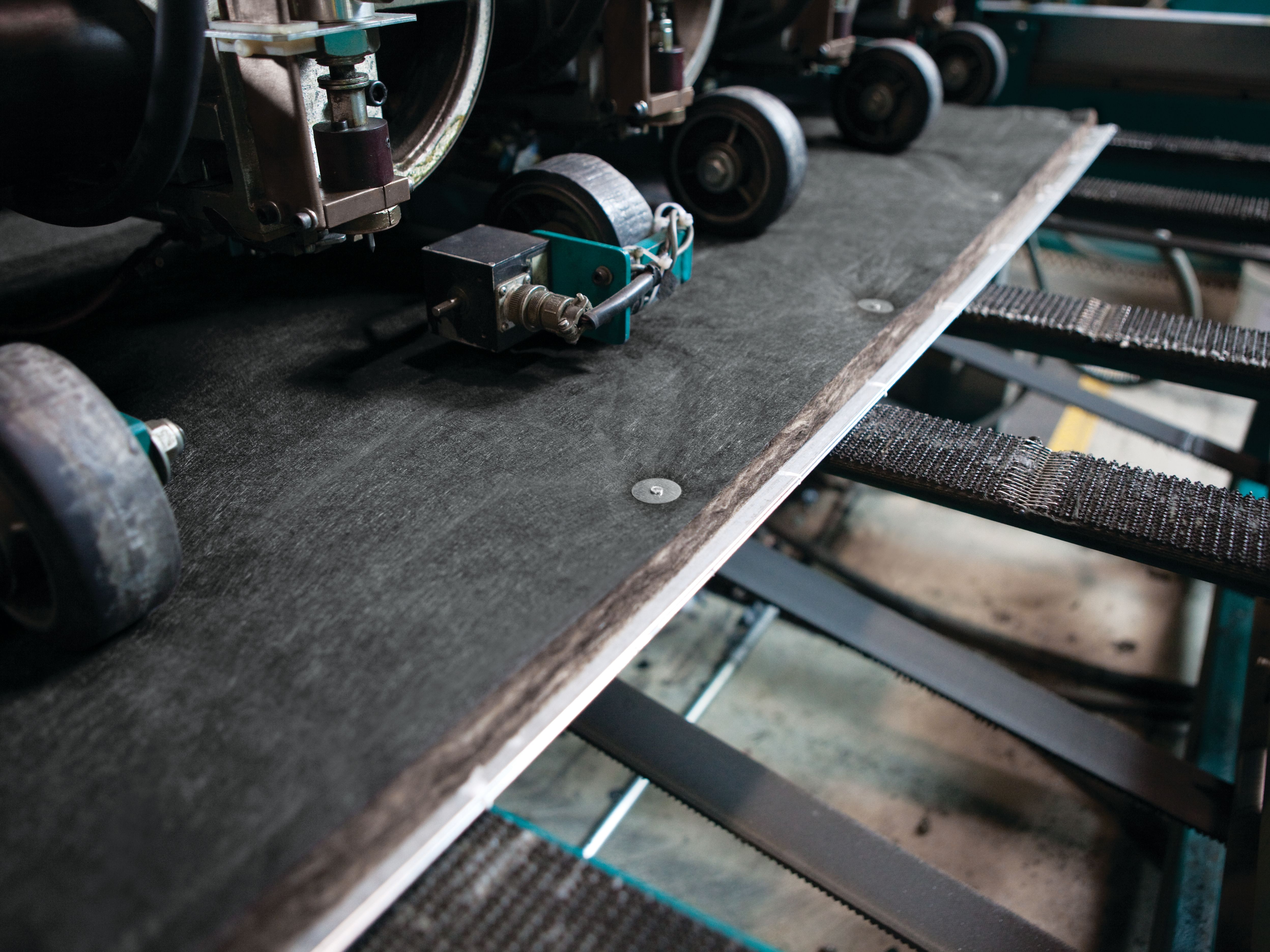
Among other benefits, insulation controls condensation, moisture, and thermal conditions that can otherwise contribute to worsened indoor air quality. Insulation also enhances the indoor environment by reducing noise from the HVAC system.
While proper insulation can have a positive impact on indoor air quality, there’s a hidden risk that conversely could have a negative effect: conventional duct insulation products may contain formaldehyde-based binders and volatile organic compounds (VOC) that can off-gas, or emit VOCs, into a building’s air stream over time. People with asthma or allergies are disproportionately affected when this occurs.
Eliminating this risk is critical because occupants in residential, commercial, and industrial buildings breathe this air for eight or more hours a day. Yet, because of duct insulation’s visibility issue, specifically that duct insulation is hidden behind walls and above ceilings, it’s doing its job invisibly—for better or worse. The role of duct insulation in supporting healthy IAQ, and knowing what to look for when evaluating insulation, might be a case of the classic adage, “out of sight, out of mind.”
What Certified Looks Like
Knauf Performance+® Duct Board and Duct Liner make it easy to see how these products help achieve greater IAQ because they’ve been independently certified. The Knauf Performance+® portfolio incorporates ECOSE® Technology, a bio-based binder developed by Knauf as an alternative to the traditional formaldehyde binders.
The Knauf Performance+® portfolio has been recognized by the Asthma & Allergy Friendly® Certification Program, developed by the AAFA in partnership with Allergy Standards Limited (ASL), which certifies products proven to reduce allergen exposure and minimize pollutants in the indoor environment.
Another certification, Verified Healthier Air™, provides independent verification that the system performs as designed in real-world conditions and confirms that air quality benefits hold up beyond the lab. Other certifications to look for are GREENGUARD® Gold, rigorous third-party chemical emissions testing that’s especially relevant for schools, healthcare facilities, and sensitive populations. Validated Formaldehyde Free certification confirms zero formaldehyde in a product’s composition.
Most importantly, these certifications serve as independently tested, third-party verified credentials that can be documented, submitted and audited. And certified insulation contributes to green building goals beyond just IAQ such as LEED and WELL Building Standard credit eligibility.
Better Air Starts with What’s Inside the Duct
Taking the necessary steps to optimize IAQ is imperative for building owners and facility managers. They have real accountability for occupant health, especially in healthcare, education, and Class A office environments. The Occupational Health and Safety Administration, for example, recognizes indoor air quality as a workplace health issue. Meanwhile, tenants, employees, and HR professionals are increasingly asking questions about IAQ and expecting documented answers and third-party certifications that demonstrate commitment.
For contractors and specifiers, the product choice made at installation follows the building for decades. Put another way, each decision at the spec stage can affect potentially thousands of occupants over the life of the building.
As Asthma and Allergy Awareness Month, May is a time to think seriously about respiratory health. Regardless of the month, “what’s inside your duct” should be a question those who build, specify, or manage commercial buildings can answer with assurance and confidence. Because better air starts with what’s inside the duct.
Contact a Knauf representative to discuss certified insulation for your next project.