


Beat the Heat: Reduce Heat Gain and Stay Cool This Summer with Proper Insulation
06/26/2025
7 Ways to Beat the Heat with Proper Insulation
As summer temperatures soar, the battle to stay cool and comfortable without draining your bank account begins. Cue the classic, “Who touched the thermostat?”
While insulation is often thought of as a winter necessity, it plays a crucial role in keeping your home comfortable and energy-efficient during the hottest months of the year.
Here’s how the right insulation can help you beat the heat, save on energy costs, and keep your home cool this summer.
What is Heat Gain and How Can I Reduce It?
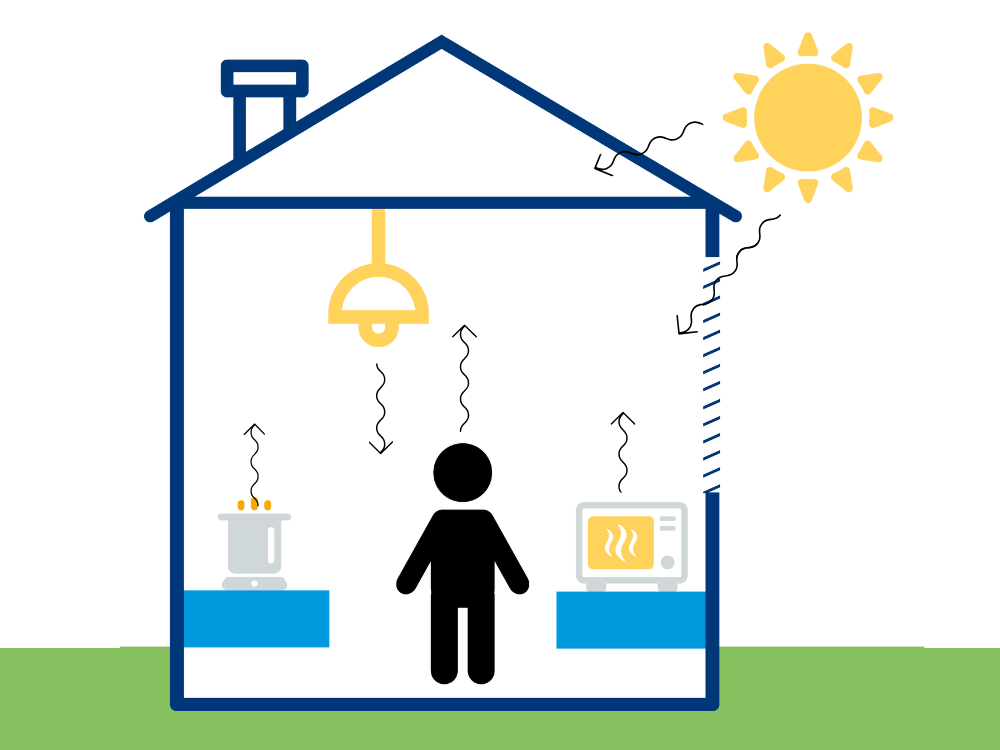
In summer months, all buildings heat up through ‘external heat gains’—namely sunlight being absorbed by the building’s roof, walls, and windows—and ‘internal heat gains’—heat generated by lighting, appliances, TVs, or its occupants. Minimizing these gains is critical in keeping your home cool in the summer.
Heat gain refers to the increase in temperature inside your home caused by external and internal factors. There are two primary sources of heat gain in the summer:
- External heat gains: Heat absorbed by your home's roof, walls, and windows from direct sunlight.
- Internal heat gains: Heat generated within the home from appliances, lighting, electronics, and even the people living in the space.
Reducing both types of heat gain is critical for keeping your home cool and energy-efficient during the hot summer months.
How to Limit External Heat Gains
- Close blinds or curtains during the hottest part of the day to block sunlight.
- Seal gaps around can lights, vents, and attic hatches with air sealant to prevent warm air from entering.
- Plant trees and tall shrubs around your home. Choose deciduous trees that will provide shade in the summer without blocking the winter sun.
- Insulate your attic properly—up to 9 out of 10 homes are under-insulated, so ensure your attic is well-protected. Don’t forget the attic hatch!
- Paint your home a lighter color to reflect sunlight rather than absorb it.
How to Limit Internal Heat Gains
- Use energy-efficient appliances and switch to LED lighting.
- Avoid cooking, doing laundry, or running the dishwasher during the hottest part of the day.
- Hang clothes to dry instead of using the dryer.
- Cook outdoors on the grill to keep heat out of your kitchen.
- Unplug devices when not in use—anything that uses electricity can add heat to your home.
Ventilation: The Best Way to Purge Heat
The most effective way to cool a hot house is by encouraging air movement through ventilation. Open doors, windows, and skylights to create a cross-breeze that pushes out the warm air and replaces it with cooler outdoor air. This is most effective at night when temperatures tend to drop. However, in densely populated areas, you may experience the urban heat island effect, which can limit the cooling effects of ventilation.
How Can Insulation Help Homes in Hot Weather? Look to Your Attic.
During the summer months, excess heat builds up in the attic. On a 95-degree summer day, attics can reach 150 degrees or more. As the sun shines directly onto the roof’s dark surfaces throughout the long days, heat is absorbed and radiated into the attic space. Without adequate insulation and attic ventilation, this heat can quickly migrate to the rooms below, causing your home to heat up rapidly.
Because insulation slows the transfer of heat, a well-insulated home will take longer to heat up from the effects of the sun, keeping your interior cooler and reducing the strain on your air conditioning.
Attic Check-Up
To determine if your attic insulation is up to the task, check its thickness. In most climates, insulation should be between 13-20 inches thick to meet local building codes. Tip: If you can see the floor joists in your attic, it’s likely time to add more insulation.
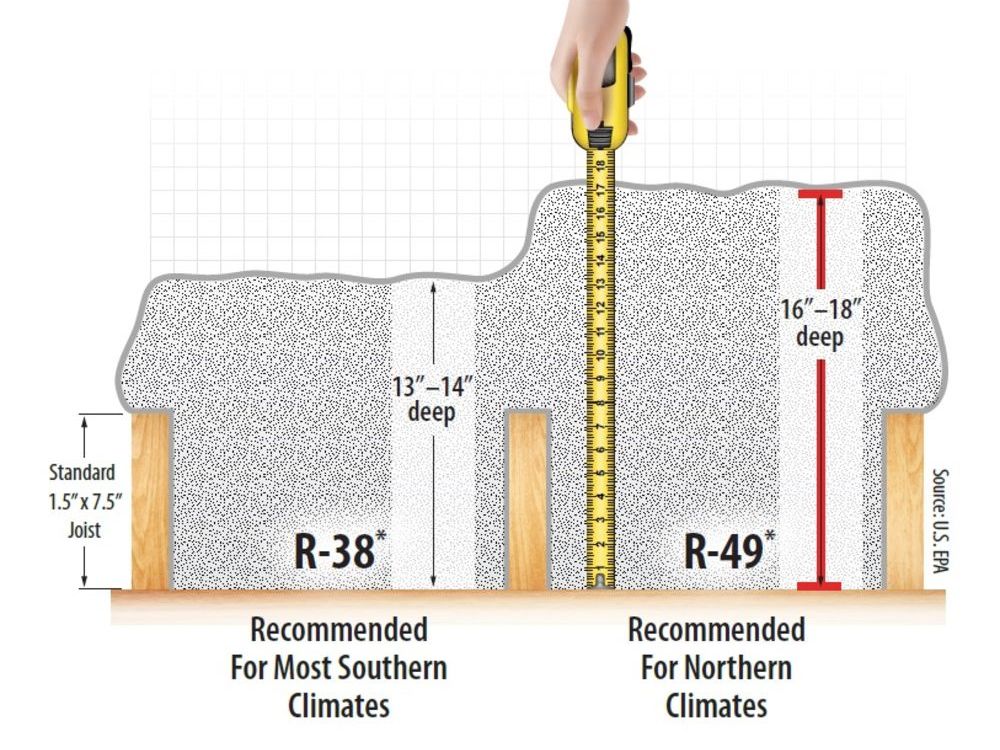
Next, ensure that the insulation is evenly distributed. Sometimes, insulation can be displaced by contractors or over time, leaving gaps where heat can penetrate. If your insulation isn’t properly installed, it could result in hot spots where heat moves through your ceiling and into your living spaces.
If any areas still need a top-up, Knauf fiberglass insulation is widely available from local DIY retailers or distributors. Adding insulation to your attic is a great weekend "Do-it-Yourself" project, but not everyone wants to crawl up into the attic. Contractors will cost a bit more than doing it yourself, but they can get the job done quickly and safely, and have the skills to find any hidden problems.
In addition to adding insulation, make sure your attic is properly ventilated. Attic ventilation helps expel hot air, keeping your attic cool and preventing heat from entering the home.
As summer temperatures rise, proper attic insulation is one of the most effective ways to keep your home cool, comfortable, and energy-efficient. Whether you choose to tackle the job yourself or hire a professional, making sure your attic is properly insulated will pay off in both comfort and savings.